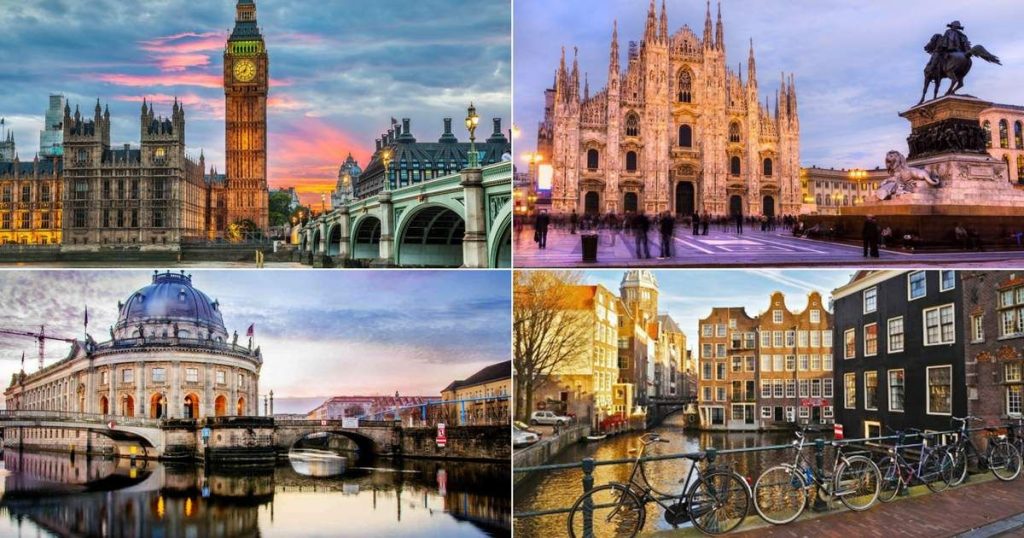
Traveling through Europe is a dream for millions of people. From exploring the historic streets of Italy and France to experiencing the breathtaking landscapes of Norway or the vibrant culture of Spain, a European adventure offers unforgettable experiences. However, without proper financial planning, travel expenses can quickly become overwhelming.
Setting smart financial goals before your trip allows you to enjoy your journey with greater peace of mind while avoiding unnecessary debt and financial stress. Whether you’re planning a two-week holiday or a months-long backpacking adventure, creating a realistic travel budget is one of the most important steps toward a successful experience.
This guide explains how to establish achievable financial goals for traveling across Europe while maintaining healthy personal finances.
Why Financial Planning Matters Before Traveling
Travel involves far more than purchasing airline tickets. Accommodation, transportation, food, attractions, travel insurance, currency exchange, and unexpected expenses all contribute to your overall budget.
Without a financial plan, many travelers rely heavily on credit cards or personal loans, which can leave them paying for their vacation long after returning home.
Smart financial planning helps you:
- Avoid unnecessary debt
- Save consistently before departure
- Reduce financial anxiety during your trip
- Make better spending decisions
- Enjoy your holiday without constantly worrying about money
Preparing financially allows you to focus on the experience rather than the expenses.
Define Your Travel Destination
The first step is identifying exactly where you plan to travel.
Europe offers a wide range of travel costs depending on the destination.
Generally, countries such as Switzerland, Norway, Denmark, and Iceland have a higher cost of living, while Portugal, Hungary, Poland, Croatia, and parts of Eastern Europe often provide more affordable travel experiences.
Knowing your destination helps estimate:
- Accommodation costs
- Daily food expenses
- Local transportation
- Tourist attractions
- Average entertainment budget
- Seasonal price variations
The more specific your destination, the more accurate your financial goals become.
Estimate the Total Cost of Your Trip
A realistic travel budget includes every expected expense.
Your budget should account for:
- Flights
- Accommodation
- Public transportation
- Car rental if necessary
- Meals
- Attractions
- Museum tickets
- Shopping
- Travel insurance
- Mobile connectivity
- Emergency fund
- Currency exchange fees
Many travelers underestimate small daily expenses that accumulate throughout the trip.
Creating a complete estimate helps prevent unpleasant financial surprises.
Set a Realistic Savings Goal
Once you know the estimated cost, establish a savings target.
For example:
- Estimated trip cost: €4,500
- Travel date: 18 months away
Monthly savings goal:
€4,500 ÷ 18 = €250 per month
Breaking a large goal into smaller monthly contributions makes saving more manageable and measurable.
This approach also provides motivation as your travel fund grows steadily.
Open a Dedicated Travel Savings Account
Separating travel savings from your everyday finances helps reduce the temptation to spend money intended for your trip.
A dedicated savings account offers several benefits:
- Better financial organization
- Easier progress tracking
- Greater budgeting discipline
- Reduced impulse spending
- Clear visibility of your travel fund
Many people also automate monthly transfers to ensure consistent progress toward their goal.
Prioritize Essential Travel Expenses
When building your travel budget, distinguish between essential and optional expenses.
Essential costs include:
- Flights
- Accommodation
- Transportation
- Food
- Insurance
- Emergency reserve
Optional expenses may include:
- Luxury dining
- Souvenirs
- Designer shopping
- Premium tours
- Nightlife
- Upgraded hotel rooms
Prioritizing essentials ensures your trip remains financially sustainable even if your budget changes.
Build an Emergency Travel Fund
Unexpected expenses can occur even during well-planned holidays.
Examples include:
- Flight cancellations
- Medical emergencies
- Lost luggage
- Theft
- Emergency accommodation
- Transportation disruptions
Setting aside an additional 10–20% of your travel budget provides valuable financial security.
Having emergency savings reduces stress and prevents reliance on expensive credit.
Reduce Expenses Before Your Trip
Increasing your savings often involves reducing unnecessary spending before departure.
Consider:
- Eating out less frequently
- Cancelling unused subscriptions
- Limiting impulse purchases
- Selling unused belongings
- Taking on freelance work
- Using bonuses or tax refunds for travel savings
Small financial improvements made consistently can significantly accelerate your travel fund.
Monitor Exchange Rates
If your home currency differs from the euro or the currency used in your destination, exchange rate fluctuations can affect your budget.
Monitoring currency markets allows you to:
- Purchase foreign currency gradually
- Avoid unfavorable exchange rates
- Improve overall travel budgeting
Planning ahead reduces the impact of sudden currency movements.
Travel During Off-Peak Seasons
One of the easiest ways to reduce travel costs is choosing less popular travel periods.
Off-season travel often provides:
- Lower airfare
- More affordable accommodation
- Smaller crowds
- Better availability
- More relaxed tourist attractions
Flexible travel dates can save hundreds or even thousands of euros.
Track Your Spending During the Trip
Financial planning doesn’t end once your holiday begins.
Keeping track of daily expenses helps you:
- Stay within budget
- Avoid overspending
- Adjust spending habits
- Preserve emergency savings
- Extend your travel budget if necessary
Many budgeting apps make it easy to monitor spending in real time.
Common Mistakes to Avoid
Many travelers unintentionally create financial problems by making avoidable mistakes.
Common errors include:
- Underestimating total travel costs
- Forgetting travel insurance
- Overspending during the first days
- Ignoring currency conversion fees
- Depending entirely on credit cards
- Failing to build an emergency reserve
- Booking last-minute accommodations
Avoiding these mistakes contributes to a far more enjoyable and financially responsible travel experience.
Think Beyond the Vacation
Travel should enrich your life—not damage your financial future.
A memorable European holiday should never compromise long-term financial goals such as:
- Building an emergency fund
- Investing for retirement
- Buying a home
- Paying off debt
- Saving for education
Balancing travel with broader financial priorities creates lasting financial well-being.
Final Thoughts
Traveling across Europe is an exciting opportunity to experience diverse cultures, historic landmarks, stunning landscapes, and unforgettable memories. However, the foundation of a successful trip is careful financial preparation.
By setting realistic financial goals, creating a detailed travel budget, building dedicated savings, preparing for unexpected expenses, and monitoring your spending, you can enjoy your European adventure without financial stress. Responsible planning transforms travel from a costly impulse into a rewarding experience that fits comfortably within your long-term financial strategy.