Unexpected financial emergencies can happen to anyone. Whether it is a sudden medical bill, urgent home repairs, car maintenance, job loss, or rising living costs, being financially prepared can make all the difference. Across Europe, where inflation, energy prices, and economic uncertainty continue to affect household budgets, building a solid financial safety net has become more important than ever.
Learning how to prepare for emergency expenses is not simply about saving money—it is about protecting your financial stability, reducing stress, and ensuring that temporary setbacks do not become long-term financial problems.
In this guide, you’ll learn practical strategies for building an emergency fund, managing unexpected expenses, and strengthening your personal finances in Europe.
Why Emergency Expenses Matter
Emergency expenses are costs that arise unexpectedly and require immediate attention. Unlike planned purchases, these expenses often cannot be postponed.
Common emergency expenses include:
- Medical emergencies not fully covered by insurance
- Emergency dental treatment
- Home repairs after storms or plumbing failures
- Boiler or heating system replacement
- Vehicle breakdowns
- Job loss or reduced income
- Family emergencies
- Emergency travel
- Essential appliance replacement
Without financial preparation, many people rely on credit cards, overdrafts, or personal loans, which can quickly increase debt due to interest charges.
What Is an Emergency Fund?
An emergency fund is money set aside specifically for unexpected financial situations. It should only be used for genuine emergencies—not vacations, shopping, or planned purchases.
Financial experts generally recommend saving between three and six months of essential living expenses. However, freelancers, self-employed professionals, and individuals with irregular income may benefit from maintaining six to twelve months of expenses.
Your emergency fund should remain easily accessible while also being separated from your daily spending account.
Why Building an Emergency Fund Is Essential in Europe
Although many European countries provide strong social support systems, unexpected costs still occur.
Factors affecting European households include:
- Rising inflation
- Higher energy bills
- Increased housing costs
- Economic uncertainty
- Employment changes
- Unexpected healthcare expenses in some countries
- Cost of living increases
An emergency fund provides financial flexibility during these situations.
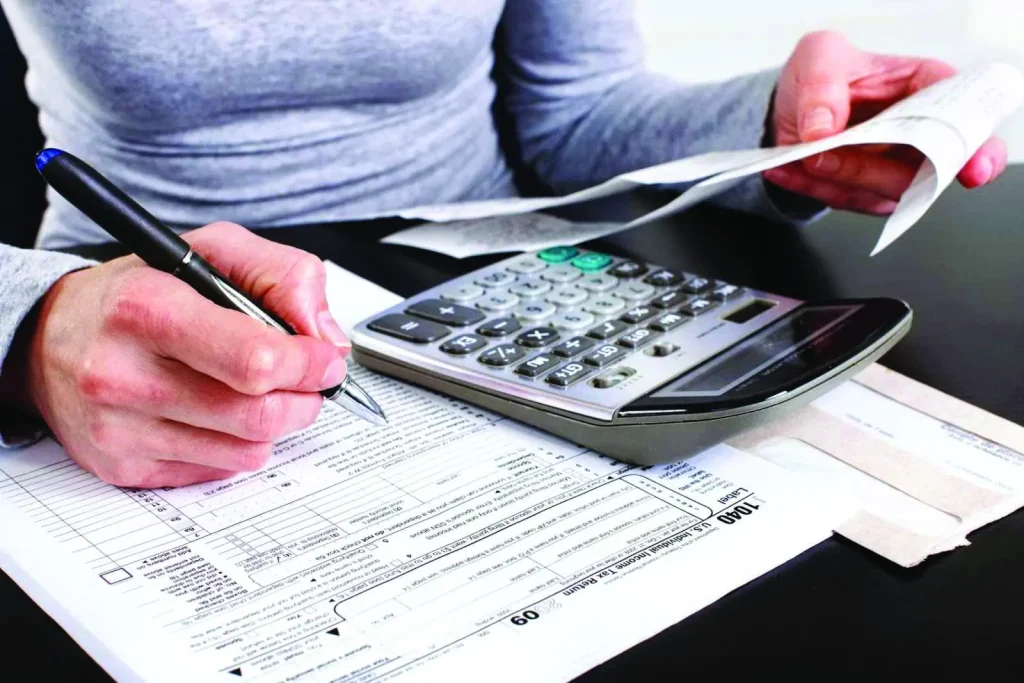
Calculate Your Monthly Essential Expenses
The first step is understanding your minimum monthly budget.
Include essential categories such as:
- Rent or mortgage
- Utilities
- Food
- Transportation
- Insurance
- Internet and mobile services
- Childcare
- Loan repayments
- Healthcare costs
For example:
- Housing: €1,000
- Food: €400
- Utilities: €250
- Transportation: €200
- Insurance: €150
Total monthly essentials: €2,000
A six-month emergency fund would therefore be €12,000.
Knowing your target helps make saving more realistic and measurable.
Start Small and Stay Consistent
Many people believe they need thousands of euros before starting an emergency fund. In reality, consistency matters far more than the initial amount.
You might begin by saving:
- €25 per week
- €50 every payday
- 5–10% of monthly income
- Any unexpected bonuses or tax refunds
Even modest contributions grow significantly over time.
Automatic transfers into a dedicated savings account make it easier to build savings without relying on willpower.
Separate Emergency Savings From Daily Spending
One common mistake is keeping emergency savings in the same account used for everyday purchases.
A dedicated savings account offers several benefits:
- Reduces temptation to spend
- Makes savings easier to track
- Creates a psychological barrier against unnecessary withdrawals
- Keeps emergency funds available when needed
Accessibility is important, but the money should not be too convenient to spend impulsively.
Identify Potential Financial Risks
Preparing for emergencies also involves identifying risks before they happen.
Consider questions such as:
- Could my job be affected by economic changes?
- Does my car require expensive maintenance?
- Is my home aging and likely to need repairs?
- Would my health insurance cover unexpected costs?
- Could my income fluctuate?
Recognizing possible risks helps determine the appropriate size of your emergency fund.
Reduce Financial Vulnerability
Lower monthly obligations make emergencies easier to manage.
Consider:
- Paying off high-interest debt
- Refinancing expensive loans when appropriate
- Avoiding unnecessary subscriptions
- Reducing impulse spending
- Creating a realistic household budget
The lower your fixed expenses, the less money you’ll need in an emergency reserve.
Avoid Using Credit for Emergencies
Credit cards and overdrafts may appear to solve short-term problems, but they often create long-term financial stress.
Using savings instead of borrowing helps you:
- Avoid interest payments
- Maintain better financial health
- Protect your credit profile
- Recover more quickly after emergencies
Debt should not become the default solution for every unexpected expense.
Increase Your Financial Flexibility
Preparing for emergencies isn’t only about saving money.
Additional ways to improve financial resilience include:
- Developing new professional skills
- Creating multiple income streams
- Building freelance opportunities
- Investing in career development
- Maintaining updated insurance coverage
Greater financial flexibility allows you to respond more effectively during difficult periods.
Review Your Emergency Fund Regularly
Life changes over time.
Marriage, children, relocation, salary increases, or higher living costs may require adjusting your emergency savings target.
Review your emergency fund at least once per year to ensure it still reflects your current financial needs.
Common Mistakes to Avoid
Many people unintentionally weaken their financial security by making avoidable mistakes.
These include:
- Using emergency savings for holidays
- Not replacing money after using the fund
- Saving too little because the goal feels overwhelming
- Ignoring inflation
- Depending entirely on credit cards
- Underestimating household expenses
Avoiding these mistakes helps maintain long-term financial stability.
Emergency Planning During Economic Uncertainty
Periods of inflation, market volatility, and economic uncertainty highlight the importance of financial preparedness.
An emergency fund allows families to:
- Cover temporary income loss
- Handle unexpected repairs
- Avoid unnecessary debt
- Maintain essential living standards
- Make calmer financial decisions
Financial preparedness provides both practical security and peace of mind.
Final Thoughts
Emergency expenses are inevitable, but financial crises are often preventable. Building an emergency fund, controlling monthly expenses, reducing unnecessary debt, and maintaining consistent saving habits are some of the most effective ways to strengthen your financial future.
Whether you live in Germany, France, Spain, Italy, the Netherlands, Ireland, Portugal, or any other European country, preparing for unexpected expenses is one of the smartest financial decisions you can make. A well-funded emergency reserve not only protects your budget but also gives you the confidence to face life’s uncertainties without compromising your long-term financial goals.